Armenian Cuisine · 5 min read
Harissa: A Dish That Can't Be Rushed
Harissa has no showy presentation to distract from its taste. It is wheat, meat, slow cooking and patient stirring. The result is a warm, substantial dish made to be shared.
What is harissa?
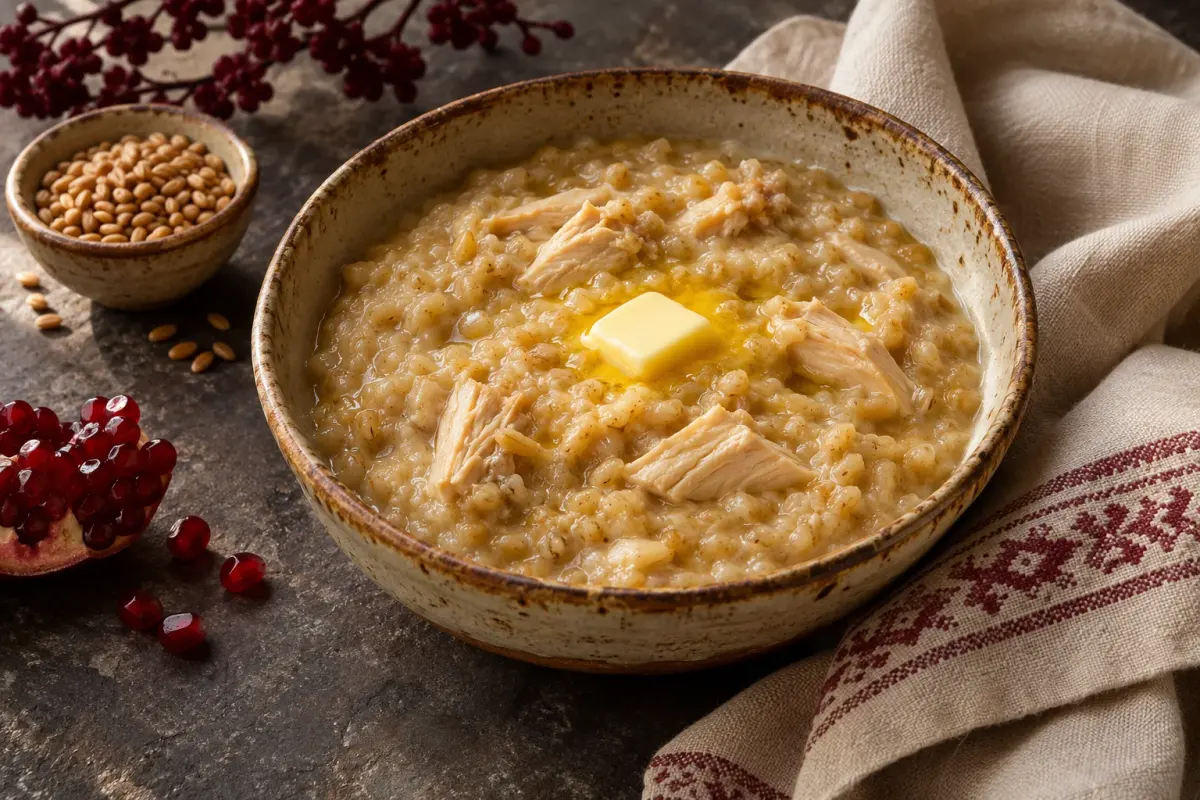
Harissa is a thick Armenian dish of cracked wheat and meat, usually chicken and sometimes lamb. The ingredients cook together for hours and are stirred until they become soft and almost uniform. English-language sources spell its name harissa; Russian uses both ‘arisa’ and ‘kharisa’. Do not confuse it with the North African hot pepper paste of the same name: that is an entirely different food.
Harissa is not meant to impress with a long ingredient list. What matters is time, the amount of liquid, the quality of the wheat and the texture achieved through stirring. The Armenian tourism portal describes it as a warming dish for the colder months. That is a useful starting point, but harissa is also food for an unhurried meal together.
Why does it take so long to cook?
The wheat needs time to soften, while the meat must release its flavour and fall apart easily. The pot is then stirred until the separate pieces come together. In some families, it is prepared in a large vessel, with people taking turns at the heavy spoon. The time spent cooking becomes part of the gathering, as much as a way to feed everyone.
Armenia's tourism portal notes that harissa is often prepared in large quantities for important occasions. Home recipes vary in their choice of meat, thickness and final serving. It makes more sense to describe the principle behind the dish than to declare one recipe the only authentic version.
What to expect from the first spoonful
Think of something neither as loose as porridge nor as thin as soup: a soft, dense mixture with a gentle grain flavour and the depth of slow-cooked meat. Butter may be added on top, melting into each spoonful. Harissa usually needs no strong heat or spice. Try it plain first to appreciate its character.
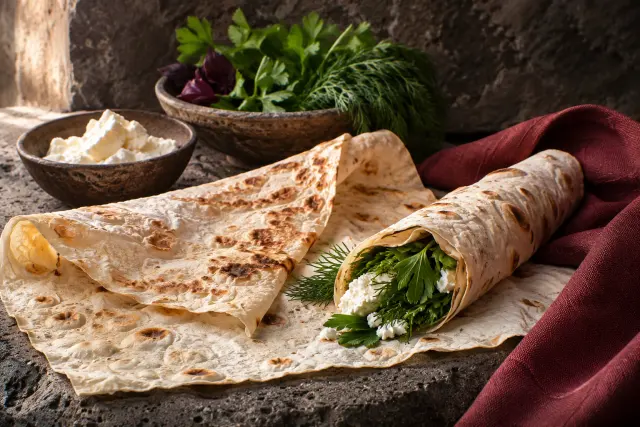
Fresh lavash alongside it changes the texture of each bite. Some eat harissa with a spoon; others alternate it with bread and herbs. Temperature matters: it is at its best served hot. This is comforting food rather than a light starter before a large dinner.
Harissa, khash and panrkhash: which should you try?
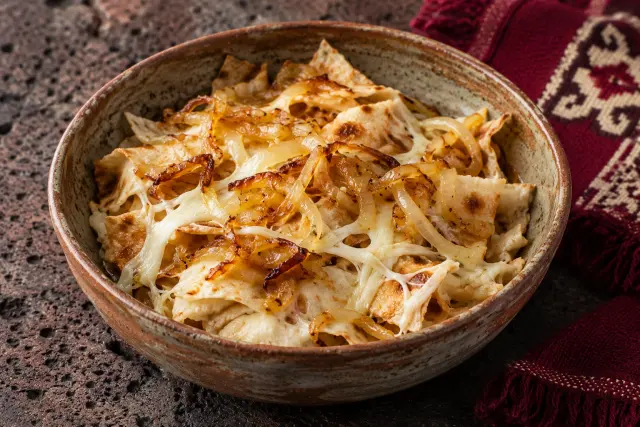
All three dishes are associated with cold weather, but they offer very different experiences. Harissa combines wheat and meat in a soft, thick dish. Khash is a rich broth served with garlic and dried lavash, built around a different flavour and a morning ritual. Panrkhash is a cheese-based speciality of the Shirak region, with lavash and chechil cheese at its heart.
If you are new to Armenian food and want a gentle, approachable flavour, harissa is a good first choice. For something distinctive to Gyumri, ask about panrkhash. If you want to explore an entire winter dining tradition, read about khash. The choice depends on the time of day and your mood, rather than on which dish is ‘best’.
How to make harissa part of your trip
Plan it as a meal in its own right, rather than a small tasting between several hearty dishes. After a walk through Gyumri's cool streets, a warm room and a slow lunch feel especially welcome. For help finding your way around the city, see our Gyumri itinerary.
If this is your first time ordering harissa, ask which meat is used and how substantial the portion will be. That helps guests with dietary restrictions and anyone planning to share several dishes. Comparing it with familiar porridge may offer a starting point, but its flavour comes from the long cooking of grain and meat together. No beautiful photograph can fully convey that.
Ask the restaurant whether harissa is available on the day of your visit and what it contains. The Parvana Ojakh menu shows the current listed dishes, but this article is about Armenian cuisine in general and is not a substitute for the restaurant menu.
Sources and editorial note
Facts about culture and places have been checked against the sources listed. Illustrations were created for this article and do not depict the restaurant's dishes or an exact documentary scene.